

Smartphone cameras have revolutionized the way we capture memories, offering powerful tools for achieving stunning images. To make the most of your mobile photography, start by exploring the features of your smartphone camera, such as pro mode for manual controls, HDR for balanced exposure, and portrait mode for creating beautifully blurred backgrounds. Understanding these features gives you the flexibility to adapt to various shooting scenarios.
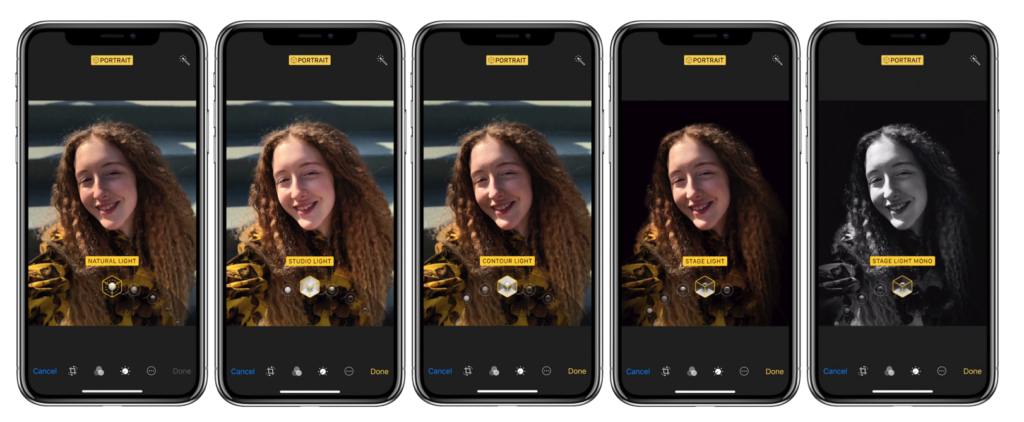
Lighting plays a crucial role in photography. Natural light is your best friend, especially during golden hour when the warm tones create soft and flattering images. If shooting in the middle of the day, seek out shaded areas to avoid harsh shadows. Indoors, artificial lighting like LED or ring lights can help maintain consistent illumination.
Composition is another key element. Aligning your subject using the rule of thirds, incorporating natural frames like windows or arches, and leaving negative space around your subject can elevate the visual appeal of your photos. To ensure sharp images, steady your shots by holding your phone firmly or using a tripod. Utilizing a timer or remote shutter can also minimize movement during capture.
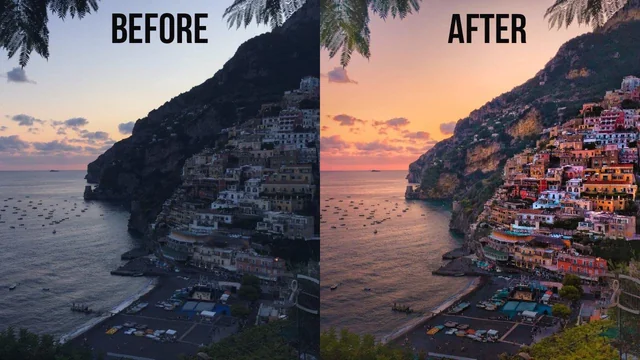
Post-processing brings your photos to life. Editing apps allow you to fine-tune brightness, contrast, and colors, enhancing the overall look without overdoing it. Cropping unwanted elements and applying subtle filters can add a polished touch to your work. For depth and focus, portrait mode or positioning your subject close to the lens creates separation from the background, adding a professional quality.
Don’t hesitate to experiment with creative techniques. Try shooting from unique perspectives, incorporating reflections from mirrors or puddles, or capturing motion using burst mode. These approaches can transform ordinary scenes into captivating visuals. By focusing on lighting, composition, and post-processing, your smartphone can become a powerful tool for producing professional-quality photography.